Tree removal in Hillingdon
Reliable local tree surgery for homes, businesses, and managed properties

If you are looking into tree removal in Hillingdon, chances are you already have a practical problem to solve. A tree may be dead, dangerously leaning, overcrowded, storm-damaged, or simply in the wrong place for your garden, driveway, boundary line, or building plans. In a busy and varied area like Hillingdon, trees can create challenges in front gardens, rear gardens, shared access ways, commercial car parks, and larger managed landscapes. A local team understands how to work around those conditions safely and efficiently.
Tree removal is rarely just about cutting something down. It often involves assessing whether the tree is protected, checking how close it is to fences, sheds, garages, outbuildings, power lines, or neighbouring properties, and deciding what equipment is needed to bring it down without unnecessary disruption. Safe tree removal requires experience, planning, and the right method for the site. For customers in Hillingdon, that local knowledge matters because access can be tight, parking can be limited, and many properties sit on mixed residential streets with mature trees close to homes.
Whether you are a homeowner in a suburban estate, a landlord managing a rental property, a facilities manager responsible for business premises, or someone with a tree that has outgrown its space, this page explains what to expect from a professional tree removal service. You will find practical details about the process, preparation, pricing factors, and the benefits of using a local arborist familiar with the area.
When tree removal becomes the right choice
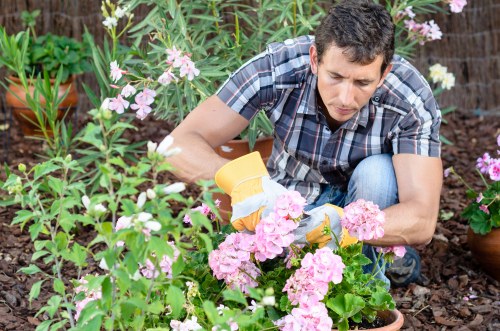
Not every tree needs to be removed. In many cases, pruning, crown reduction, or targeted tree surgery can solve the issue. However, there are situations where complete removal is the most sensible option. Tree removal services in Hillingdon are commonly requested when a tree is unsafe, too large for the space, causing structural concerns, or interfering with planned works such as landscaping, extensions, driveway changes, or site clearance.
Some of the most common reasons customers request tree felling or dismantling include disease, decay, storm damage, root-related damage, unstable trunks, repeated branch drop, low light to gardens, and obstruction of access. In commercial settings, trees can also affect parking layouts, signage, rooflines, loading areas, and pedestrian routes. In these cases, removing the tree may be the best way to protect people, property, and day-to-day use of the space.
In Hillingdon, where properties range from terraced homes and semi-detached houses to larger plots and business sites, the decision often depends on practical constraints. A tree that looks manageable in an open field may be a serious issue when it sits between two buildings or overhangs a busy path. A local tree surgeon can advise whether full removal is necessary or whether a less invasive option would be better.
What our tree removal service typically includes

A professional tree removal service is designed to handle the work from start to finish with minimal stress for the customer. That usually begins with an assessment of the tree, the surrounding area, and the safest removal method. Depending on the site, the tree may be felled in one piece, dismantled section by section, or taken down with rigging equipment where space is restricted. The aim is always to complete the job safely and with control.
Typical tree removal work may include:
- Initial inspection of the tree and surrounding area
- Advice on whether removal is the best option
- Safe sectional dismantling where required
- Controlled felling if space allows
- Stump grinding or stump removal if requested
- Branch, trunk, and arisings collection and removal
- Site tidying so the area is left usable
Some customers only need the tree removed, while others want the stump dealt with at the same time. Leaving a stump in place can be useful in certain situations, but if you plan to replant, landscape, lay turf, or install paving, stump grinding may be the better long-term choice. A local tree team can explain the options clearly so you can decide what suits your property and budget.
Why local knowledge matters in Hillingdon

Hillingdon is a large and diverse part of West London, with a mix of residential streets, estates, retail areas, offices, industrial units, schools, and public-facing premises. That variety means tree removal work can look very different from one site to another. A local company understands the practical realities of working in the borough, including narrow access routes, limited roadside parking, shared boundaries, and the need to manage work with care around neighbours and passers-by.
Local knowledge also helps when planning the work itself. Some trees are in exposed positions where wind and weather have affected their structure, while others are tucked into enclosed gardens with limited room for equipment. In some areas, the work needs to be timed to reduce disruption for residents or businesses. A Hillingdon-based team is more likely to understand these local conditions and arrive prepared for them.
There is also value in having someone nearby if the job involves a quick site visit, follow-up advice, or a return appointment for stump grinding or further clearance. Customers often want the reassurance of dealing with people who know the area and can respond with practical solutions rather than a one-size-fits-all approach.
Types of properties and sites we work on
Tree removal in Hillingdon can be required across a wide range of property types. Each site brings different constraints, access issues, and safety considerations. A professional tree surgeon will adapt the method to suit the setting rather than trying to force the same approach onto every job.
We commonly see requests from:
- Detached and semi-detached homes with mature gardens
- Terraced houses with rear access limitations
- Front gardens close to roads, pavements, and parked vehicles
- Residential blocks and shared outdoor spaces
- Schools, nurseries, and public buildings
- Retail units, office premises, and industrial estates
- Landlord and letting agent managed properties
- Housing association or estate maintenance sites
Different settings often require different levels of planning. For example, a tree in a private back garden may need sections lowered carefully over a conservatory or shed, while a commercial site might need work completed outside operating hours or in a way that keeps access open. That flexibility is one reason many local customers prefer a service that works regularly in the area.
Common trees and common problems
Although every tree is unique, certain issues come up frequently. Customers sometimes contact us about conifers that have grown too tall and dense, maples or sycamores that are encroaching on buildings, conifers that block light, or older trees with deadwood and decay. Storms can also create sudden hazards, with split stems, hanging branches, and uprooting becoming an urgent concern. In these situations, tree removal in Hillingdon may be the safest and most practical response.
How the tree removal process works
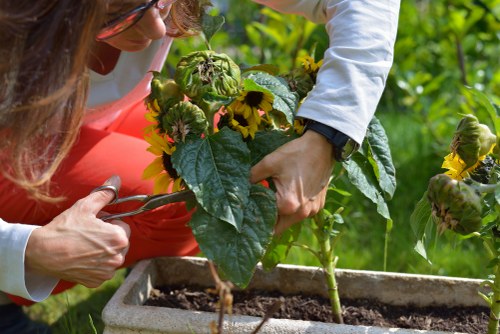
People often want to know what happens on the day. While every site is different, the process generally follows a clear and careful sequence. The first stage is to make sure the removal plan suits the tree, the weather, the access route, and the surrounding features. Safety is always the priority, both for the team carrying out the work and for anyone nearby.
A typical tree removal process might look like this:
- Review the tree and site conditions before starting
- Set up any required equipment and safety measures
- Remove branches and smaller sections first where needed
- Bring down the main stem in controlled stages or as a whole, depending on space
- Cut the timber into manageable pieces
- Clear brash and debris from the site
- Discuss stump grinding or any additional work requested
For straightforward jobs with open access, the work can be relatively simple. For complex jobs, such as trees beside garages, in rear gardens with no side access, or near boundary structures, sectional dismantling may take longer. That is normal. A professional team will focus on a method that protects the property and reduces the chance of avoidable damage.
What customers can expect on the day
It helps to expect some noise, movement of equipment, and temporary disruption while the tree is being removed. A good team will work efficiently, communicate clearly, and keep the area as tidy as reasonably possible during the job. If you are arranging work at a home, it is sensible to keep children, pets, and vehicles away from the working area while the removal is underway.
Preparation checklist before your tree removal appointment
Good preparation makes the job smoother and can help reduce delays. If you are arranging tree removal at a property in Hillingdon, a few simple steps can make a real difference. You do not need to do heavy work yourself, but it is useful to clear the way and share any important information about the site.
Before the appointment, consider the following checklist:
- Move cars from driveways or nearby access points if possible
- Unlock gates and ensure side or rear access is available if needed
- Keep pets indoors or safely away from the work area
- Remove delicate garden items, ornaments, and furniture near the tree
- Tell the team about sheds, greenhouses, ponds, or buried features nearby
- Point out any overhead cables, lighting, or shared boundaries
- Let neighbours know if access may temporarily be affected
If the tree is near a fence, wall, garage, or extension, it is useful to mention this in advance. The more the team knows about the site, the more accurately they can plan the work and bring the right equipment. That is especially important in tighter Hillingdon streets where access and parking can influence how the job is carried out.
Pricing factors for tree removal in Hillingdon
Customers naturally want to know what affects the cost of tree removal, even if exact pricing depends on inspection and job details. A fair quotation is based on the real work involved, not on a one-size-fits-all assumption. Several factors can influence the price of a tree removal project, especially in areas where access or safety arrangements are more complex.
Common pricing factors include:
- Tree height, spread, and overall size
- Whether the tree is dead, unstable, or storm-damaged
- How close the tree is to buildings, fences, or utilities
- Access for equipment and debris removal
- Whether sectional dismantling is required
- Need for stump grinding or stump removal
- Amount of waste to be cleared from the site
- Time needed for traffic, parking, or site controls
It is worth being cautious with any quote that seems too vague or unusually low without explanation. Tree work needs proper planning and skilled labour, and the cheapest option is not always the best value if it leaves stump issues behind or fails to account for safe dismantling. A sensible local quote should explain what is included so you know what to expect.
Why an on-site assessment can be important
Photos can help with the first discussion, but they do not always show the full picture. A tree that looks open from one angle may actually be constrained by nearby structures or hidden obstacles. An on-site assessment helps the tree surgeon decide whether a full removal, sectional dismantling, or additional equipment is required. That makes pricing more accurate and helps avoid surprises later.
Why choose a local company for tree removal?
Choosing a local team for tree removal in Hillingdon gives you practical advantages. A company that regularly works in the borough is more likely to understand the kinds of properties, access routes, and customer needs common here. That matters whether the job is a single back-garden tree, a row of conifers at the boundary of a rental property, or several trees affecting a commercial site.
Local customers often appreciate the ease of arranging a visit, discussing the work clearly, and getting advice that fits the reality of the property rather than a generic approach. A local arborist is also better placed to understand how to manage the work around local roads, parking restrictions, and neighbour relations. Those details can make the whole experience smoother and less disruptive.
There is also peace of mind in working with people who care about long-term results, not just getting a tree down quickly. If the job involves a future garden plan, replanting, or site improvement, a local professional can suggest the right next step. That might include stump grinding, clearance, or a recommendation to keep space for new planting.
Residential and commercial customers both benefit
Homeowners tend to want tidy, careful work with minimal disturbance to family life and neighbours. Commercial customers often need punctuality, site control, and a method that keeps operations running safely. A skilled local team can work with both. In Hillingdon, where homes, shops, schools, and business premises sit close together, being flexible is part of delivering a useful service.
Health, safety, and legal considerations
Tree removal can sometimes involve legal or regulatory considerations, especially if a tree is protected, sits within a conservation area, or affects shared boundaries. Customers should not assume that every tree can be removed without checking first. A knowledgeable tree surgeon can help identify when further checks may be required before work begins.
Safety is equally important. Tree removal can involve cutting at height, using chainsaws, lowering heavy sections, and managing unpredictable movement in timber. Poor planning can put people, property, and nearby structures at risk. That is why a professional approach is essential. It reduces hazards and keeps the work organised from start to finish.
If the tree is damaged by wind or appears unstable, it is sensible to avoid going near it until it has been assessed. Hanging limbs, split trunks, and root movement can worsen without warning. In urgent situations, customers often want a quick response so the area can be made safe and access restored as soon as possible.
Signs a tree may need urgent attention
- Large branches have fallen or are hanging loose
- The trunk is visibly split or leaning more than before
- Fungi or decay is visible at the base
- Roots appear lifted or disturbed
- There is repeated branch drop after wind
- The tree is touching or threatening a structure
Areas covered across Hillingdon and nearby locations
Tree work needs to be local enough to be practical, especially when access, inspection, and waste removal are part of the job. Customers across Hillingdon often need help in neighbourhoods and nearby places with a mix of housing, roads, and green space. A local service can usually support work in and around the borough, including areas such as Uxbridge, Hayes, Ruislip, West Drayton, Northwood, Yiewsley, Ickenham, and surrounding parts of West London.
Each location can bring different site conditions. Some areas have generous driveways and larger gardens, while others have compact plots, shared alleys, or roadside trees close to pedestrian routes. A local tree removal team understands how to adapt the work to each setting and how to manage disruption responsibly.
If you are unsure whether your property is within the usual service area, it is still worth enquiring. Customers often need a straightforward answer on whether the job can be assessed, scheduled, and completed safely. That first conversation can help you decide the next step quickly.
Frequently asked questions
Do I always need a tree removed if it is overhanging my property?
Not always. In some cases, pruning or crown work may solve the issue. Removal is usually considered when the tree is unsafe, diseased, causing structural problems, or unsuitable for the site. A local inspection is the best way to decide.
Can a tree be removed if access is tight?
Yes, often it can. Tight access is common in Hillingdon, especially in rear gardens and side passages. A professional team can use sectional dismantling, rigging, or smaller equipment depending on the layout of the site.
What happens to the wood and waste?
That depends on the service agreed. Many customers want all waste removed, while others keep logs for use or request that certain materials are left on site. The arrangements should be made clear before the job begins.
Is stump grinding included?
Not always. Stump treatment is often offered as an additional service. If you want the area fully cleared for landscaping, paving, or replanting, ask about stump grinding when arranging the work.
How long does tree removal take?
It varies widely. A small tree in an open area may be removed quickly, while a larger tree in a confined space can take much longer. The height of the tree, access, nearby structures, and cleanup requirements all affect the time needed.
Can you help with trees near a boundary or shared fence?
Yes. Boundary trees are common in residential areas, and they need careful handling to avoid disputes or accidental damage. It is helpful to discuss ownership, access, and the position of any fences or walls before work starts.
What makes our approach practical for local customers
Customers arranging tree removal usually want three things: clear advice, careful work, and a tidy finish. That is especially true in Hillingdon, where homes and businesses often have to balance green space with practical use of the land. A professional service should therefore focus on more than just the cut itself. It should look at the whole job, from assessment to cleanup.
Good service means planning for the realities of your property. That may include working around parked cars, protecting lawns and hard landscaping, preventing debris from spreading, and keeping neighbours in mind. It may also mean recommending the most appropriate removal method rather than the quickest one. A team that thinks ahead is more likely to leave you with a space that is safe, usable, and ready for the next stage.
If you are considering tree removal in Hillingdon, it is sensible to act before a small problem becomes a bigger one. Trees can deteriorate over time, and storm damage can make unstable branches or trunks more dangerous. Requesting a visit or quote early can help you plan the work properly and avoid unnecessary stress.
Ready to get started?
Whether you need a single problem tree removed or several trees assessed at once, a local team can help you decide the best approach. Contact us today to request a free quote, discuss your site, and book your service now.